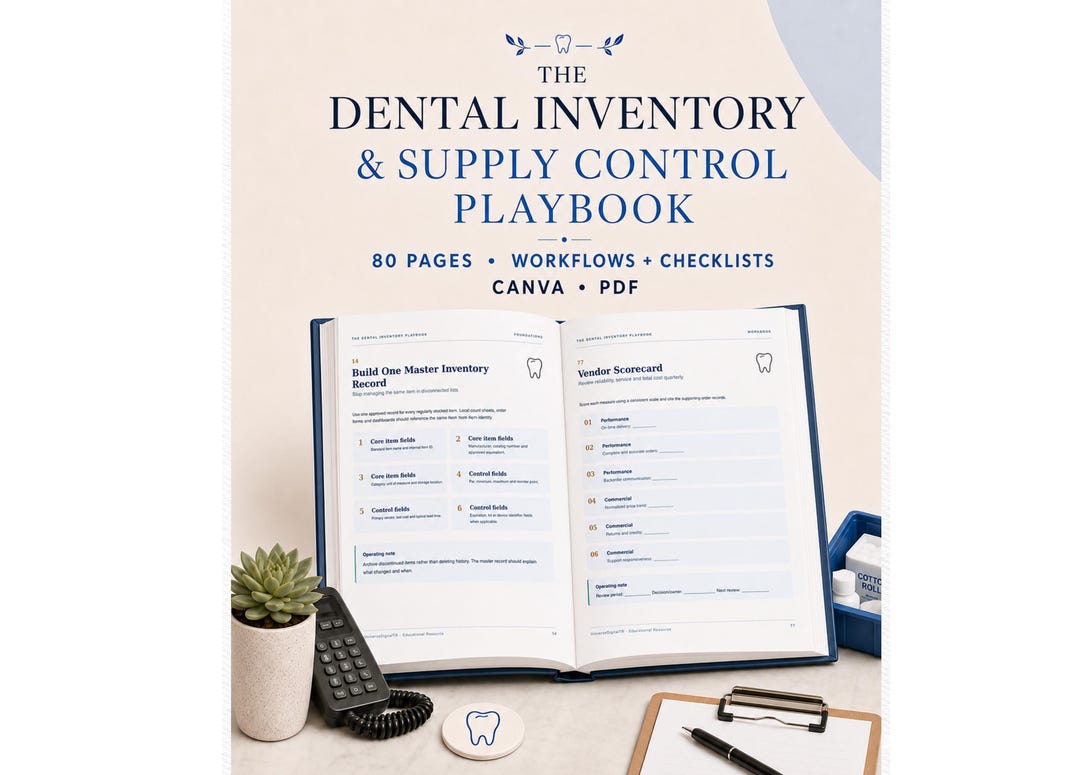
Build one reliable master list
Start by listing each approved item with a consistent name, supplier or manufacturer reference, unit size, storage location and preferred vendor. Duplicate names create inaccurate counts, so decide which description the whole practice will use.
Add quantity on hand, par level, reorder point, typical lead time and expiration or lot information where required. Follow product storage instructions and the practice's policies for recalls, returns and disposal.
A repeatable inventory cycle
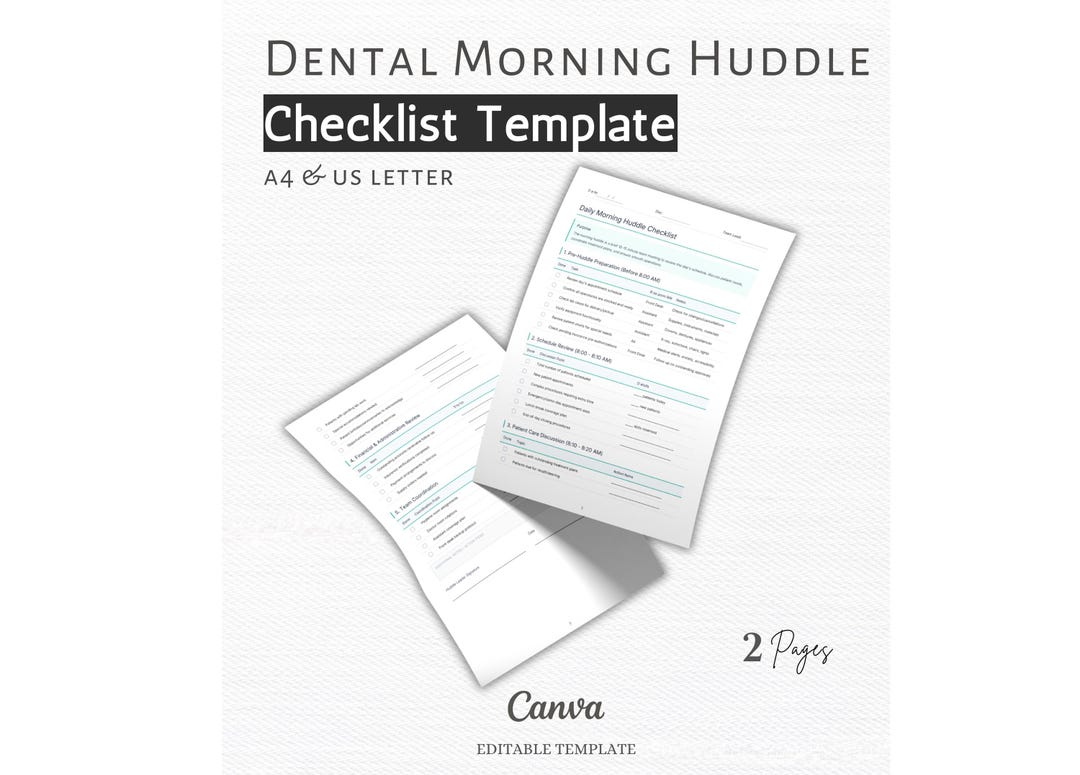
- Assign one inventory lead and a trained backup
- Set a consistent count day for high-use and high-value items
- Count stock in treatment rooms as well as the central supply area
- Move earlier-expiring approved stock forward where appropriate
- Review open orders before placing another purchase
- Record shortages, substitutions, expired items and emergency orders
- Review usage and reorder settings on a regular schedule
Improve the system using exceptions
Track the events that interrupt the day: stockouts, duplicate orders, rush shipping, expired products and supplies hidden in secondary locations. These exceptions show where item names, par levels, responsibilities or count frequency need adjustment.
Begin with the supplies that most affect continuity, cost or expiration risk rather than trying to perfect every item at once. Any change involving clinical materials, storage or substitution should be reviewed by the appropriate practice leadership.